
What Makes a Wellness Event Work: A Practitioner’s Guide to Hosting Successful Workshops and Retreats

Running a successful workshop or event as a complementary health practitioner is one of the most powerful ways to expand your impact. Whether you’re a massage therapist, energy healer, yoga teacher, coach, or holistic wellbeing practitioner, events allow you to deepen relationships, share your expertise, and create meaningful experiences that clients remember long after they leave.
But the truth is: the success of an event isn’t just about your content or your facilitation skills. The environment you choose, and how you prepare for the experience, can make or break the outcome. Below are the key things every practitioner should consider when planning an event, along with insights into what makes workshops truly thrive.
When you get these elements right, you’re not just creating a one‑off experience, you’re laying the groundwork for repeat business, full workshops, and retreats that consistently attract the right people.
Here are our top tips:
1. Know the Purpose and Energy of Your Event
Before you even start scouting venues, get clear on the intention behind your event.
Is it educational, experiential, or a blend of both
Do you want participants to feel energised, grounded, reflective, or connected
Will the event be intimate or expansive
Do you need quiet, privacy, or a more dynamic environment
Your intention shapes everything, from the layout of the room to the type of equipment you’ll need.
Tip: Write down three words that describe the feeling you want participants to leave with. Use these as your compass.
2. Consider the Practicalities That Support a Smooth Experience
Even the most spiritually aligned or energetically attuned event needs solid logistics behind it. When choosing a venue, look for:
Accessibility
Easy to reach by public transport
Clear signage
Parking close by
Proximity to amenities like cafes, shops, green spaces
Step-free access if needed
Comfort
Spacious room layout
Comfortable seating or space for mats
Cushions for additional comfort
Temperature control
Frosted windows or curtains for confidentiality
Good ventilation
A sense of privacy (doors that close fully)
Facilities
Toilets close by
A place for refreshments
Storage for equipment
An outdoor area for grounding or fresh air
A waiting area for early arrivals
A place to store coats and bags so the room feels uncluttered
These may seem basic, but they dramatically influence how relaxed and receptive your participants feel.
Tip: Imagine your ideal participant stepping into the space. What do they see, hear, and feel in those first 30 seconds? Is it the lighting, the scent, the warmth of the room, or a welcoming sign that puts them at ease? When you design your event from that initial moment backward, every choice becomes intentional, creating an experience that feels calm, considered, and aligned with the outcome you want to create.
3. Think About Atmosphere and Aesthetics
Complementary health events rely heavily on atmosphere. The right environment can help people drop into the experience more quickly.
Look for a venue that offers:
A calm, uncluttered space
Neutral or soothing décor
Good acoustics
Adjustable lighting
A sense of privacy and safety
A space doesn’t need to be luxurious, it just needs to feel considered and supportive.
Tip: Think about the transformation you want people to experience. What needs to be in place, energetically and practically, for that shift to occur?
4. Check What Equipment and Support Is Available
Depending on your modality, you may need:
Yoga mats, bolsters, or blankets
Meditation cushions
Massage tables
Tables for demonstrations
Flip charts or whiteboards
Projectors or screens
WiFi
Some venues provide these; others expect you to bring everything yourself. Knowing this upfront saves stress on the day.
Tip: Make a list of every single item you’ll need from the moment you arrive to the moment you leave. This helps you spot gaps early and ensures your event feels seamless and professional.
5. Understand the Flow of the Day
Think through the participant journey:
Where do they enter
Where do they put their belongings
How will you transition between activities
Is there space for breakout groups or quiet reflection
Do you need time before and after for setup and pack-down
A well-designed flow helps your event feel effortless and professional.
Tip: Visualise your workshop or retreat at full capacity. How does the space need to function to support that level of engagement and flow?
6. Prioritise Connection and Community
Workshops thrive when people feel safe, welcomed, and part of something meaningful. Consider:
How you’ll greet participants
Whether the venue supports a sense of community
Opportunities for conversation before or after the session
People remember how you made them feel more than anything else.
Tip: Consider sending a short pre‑event note sharing what to expect, what to bring, and how to prepare. This small gesture builds trust and helps participants feel held from the very start.
7. Choose a Venue That Understands Holistic Work
This is often overlooked, but it matters.
A venue that regularly hosts complementary health practitioners will:
Understand the need for quiet
Respect the energetic nature of your work
Provide flexibility around room layout
Be familiar with the flow of workshops and classes
Offer support rather than restrictions
You want a space that feels like a partner in your event, not just a room you rent.
Tip: Look for a venue run by people who understand holistic work who are practitioners or facilitators themselves. When the team “gets” the flow of a workshop, the energetic needs, and the importance of holding space, everything feels easier and more supported.
Once practitioners know what to look for, it becomes much easier to choose a venue that truly aligns with their work.
This is where we come in.
How We Support Practitioners in Creating Successful Events
We’ve designed our space and spa with complementary health practitioners in mind. That means:
A calm, welcoming environment
Flexible space suitable for workshops, classes, and heart centred events
Supportive team who understand the needs of holistic work
Comfortable, thoughtfully arranged spaces
Equipment available on request
A community-focused atmosphere that helps your participants feel at ease
Marketing support through our socials and newsletter
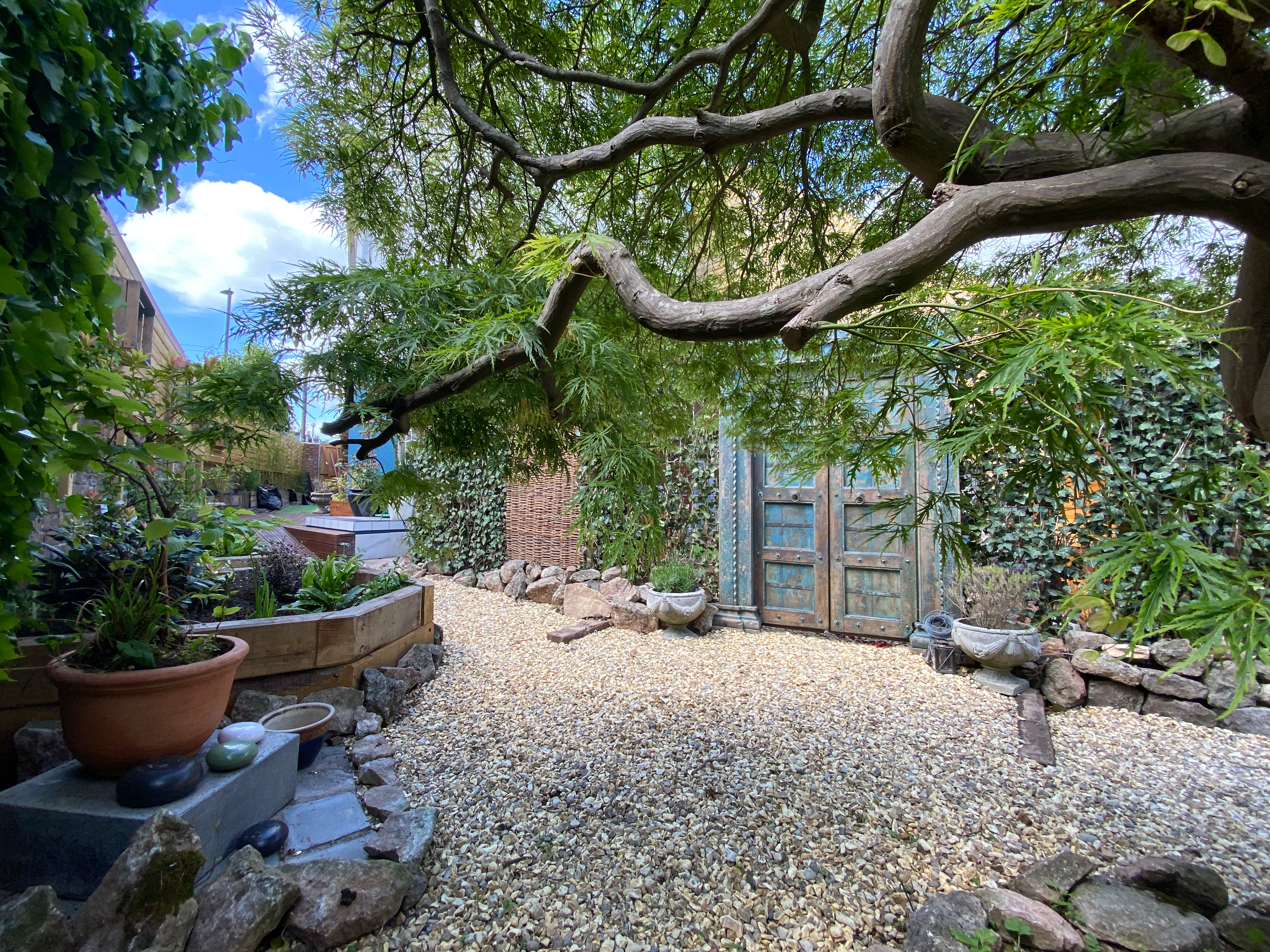
For practitioners wanting to create a more immersive experience, our garden spa is also available to hire. It’s an ideal addition to retreats or longer workshops, giving participants space to relax, integrate, and deepen the benefits of the work you’re facilitating.
Our goal isn’t just to provide a room, it’s to partner with you to help you create an experience that feels grounded, professional, and deeply impactful.
If you’re planning an event and want to explore whether our space might be the right fit, we’d love to chat and help you bring your vision to life.
Check out our video below.
Let’s continue this journey together. Explore more on our website and subscribe to the Sensate Spa and Studios newsletter for special offers, enchanting updates, and more inspiration to renew, restore, and revitalise your senses.
To connect with our teachers and therapists or learn more about our team, visit our website and reach out directly—we'd love to hear from you!


Comments